

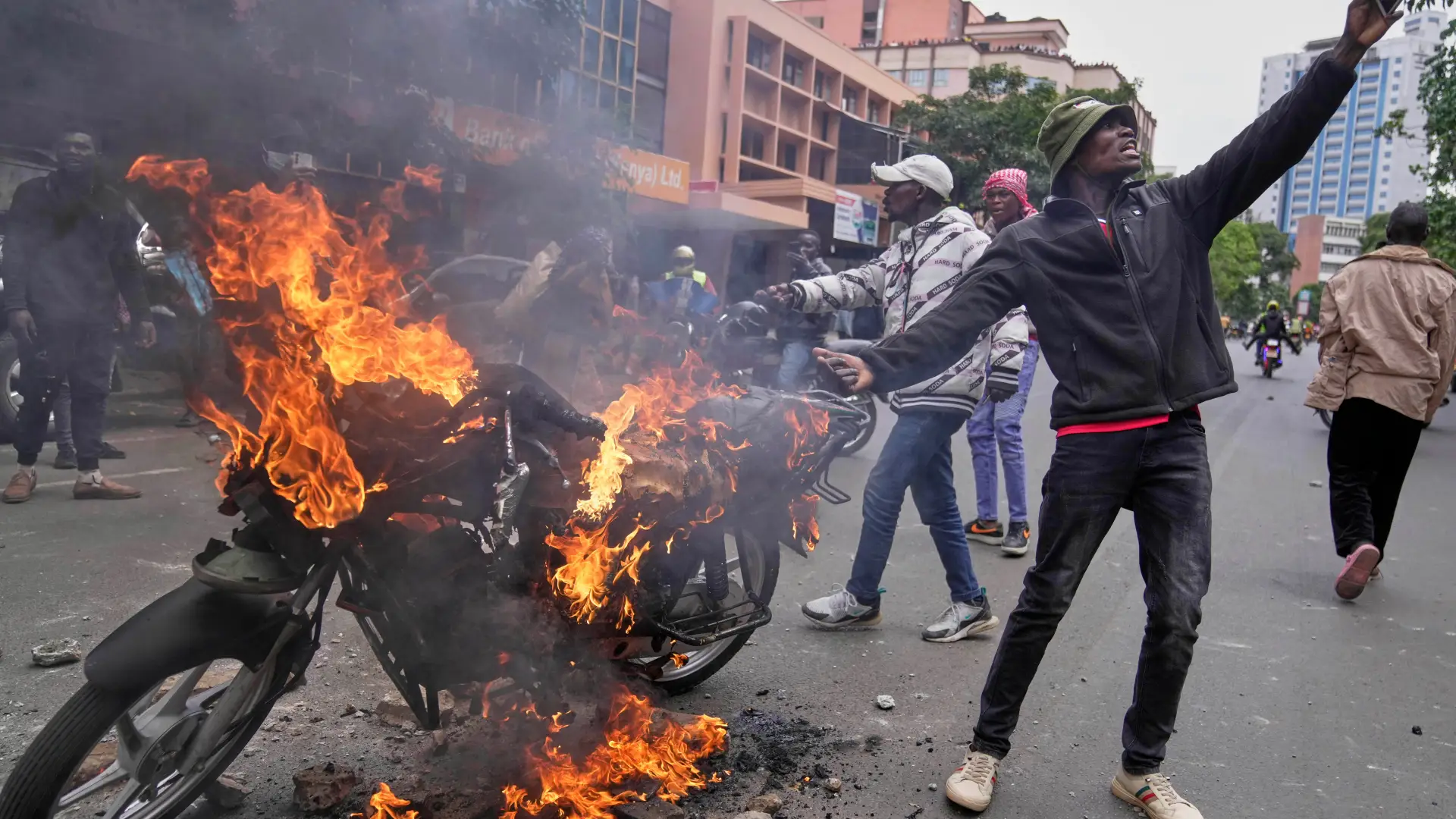
The Office of the Director of Public Prosecutions (ODPP) has confirmed that 37 individuals arrested in connection with the deadly anti-government protests that rocked Kenya in late June will face terrorism charges. The announcement was made on Tuesday, marking a major escalation in the state’s legal response to what began as youth-led demonstrations.
The protests, initially organized to commemorate the one-year anniversary of widespread youth opposition to controversial tax hikes, quickly spiraled into violent confrontations between demonstrators and police forces. The unrest spread rapidly, especially in Nairobi, where central business districts were overwhelmed by scenes of looting, arson, and clashes with security officers.
In the aftermath, police reported a total of 485 arrests linked to crimes including murder, rape, terrorism, and destruction of property. Among those, 37 individuals remained under active investigation as of June 30, and have now been formally charged with terrorism-related offenses.
According to a statement by the ODPP posted on X (formerly Twitter), the suspects appeared before the Kahawa Law Courts, located on the outskirts of Nairobi. Prosecutors allege the group was involved in the destruction of critical public infrastructure and the vandalism of hundreds of private businesses during the riots.
“These charges are not an attack on lawful assembly or peaceful protest,” the statement emphasized. “They are directed specifically at persons accused of engaging in organized acts of violence and terrorism under the cover of public demonstrations.”
The court has ordered the suspects to remain in custody until July 10, when a ruling on their appeal against the terrorism charges is expected.
A Nation on Edge: Economic Crisis, Police Brutality, and Youth Discontent
The protests reflect a growing wave of public anger over the cost of living, lack of job opportunities, and a perception of increasing authoritarianism under President William Ruto’s administration, which came into power in 2022. The proposed tax hikes that sparked the latest unrest were seen by many young Kenyans as further deepening the economic hardship faced by ordinary citizens.
Throughout June and into early July 2024, Kenya witnessed some of the largest protests in years. Human rights groups estimate dozens of deaths resulting from police crackdowns. Several civil society organizations have also raised alarm over reports of forced disappearances, claiming that state security agencies have unlawfully detained or abducted individuals linked to the protests.
The government, meanwhile, has framed the riots as an attempt to destabilize the country. Officials have likened the violence to a “failed coup attempt,” accusing shadowy actors of sponsoring chaos to undermine national security.
Demonstrators, however, maintain that their movement has been infiltrated by state-sponsored goons tasked with creating a justification for violent repression. Protesters insist that the real instigators of destruction are not legitimate demonstrators but hired thugs sent to discredit the cause.
Monday’s Protests Add to Toll
On Monday, renewed street protests turned deadly again. According to Kenya’s Interior Ministry, at least 10 more people lost their lives, pushing the protest-related death toll even higher. Activists say the real number may be much greater, as many casualties go unreported or undocumented.